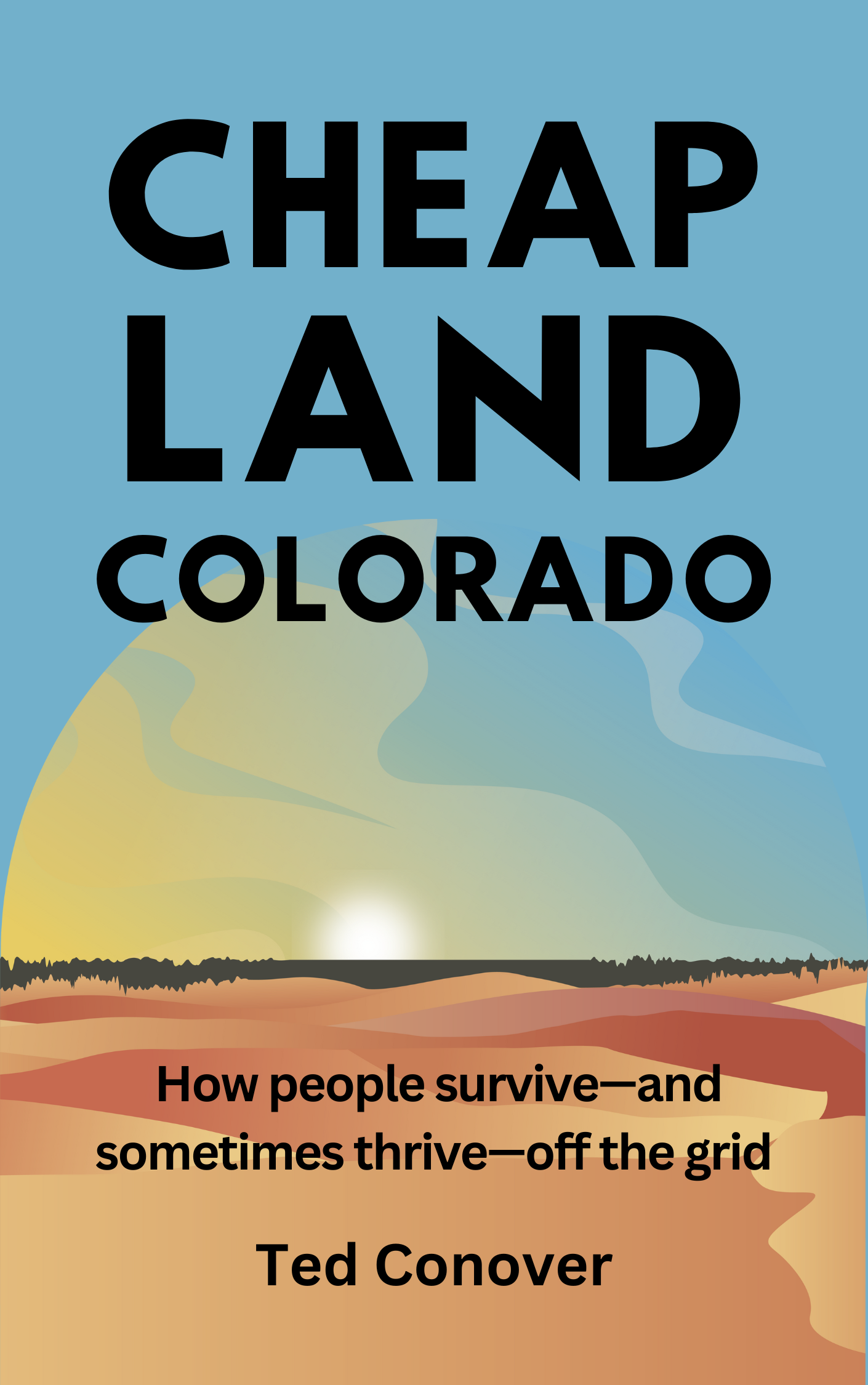
Imagine being able to buy your own slice of land for a few thousand bucks. No rent, no mortgage, no landlord breathing down your neck. Just you, the open sky, and a chance to live how you want. Sounds kind of amazing, right? Now imagine that same land is dry, wind-whipped, with no electricity, no running water, and winters that can freeze a gallon of water solid overnight. That’s the trade-off. That’s the San Luis Valley in southern Colorado.
In Cheap Land Colorado, we get a look inside a hidden corner of America most people don’t even know exists. This isn’t a trendy off-grid movement like you might see on YouTube with solar-powered tiny homes and curated Instagram feeds. This is gritty, raw, real life on the margins—where people go either because they want to escape the system or because the system pushed them out. They build homes out of scrap, haul water in barrels, and figure out how to make life work with whatever they’ve got. It’s tough, it’s messy, but it’s also full of stories about resilience, creativity, and what it means to live on your own terms when no one else is watching. Ready to see what life looks like beyond the grid?
Summary
Living off the grid in Colorado’s high desert isn’t for everyone. It’s cold, tough, and lonely at times. But it’s also full of stories that matter—about resilience, about struggle, and about the lengths people will go to live on their own terms. While the view isn’t always pretty, it’s real, it’s raw, and it might just make you think twice about what freedom—and home—really mean.
The Dirt Is Cheap, But It Comes With Strings
Let’s start with the basics. Why would anyone choose to live in a place where the wind never stops blowing, it snows sideways, and your nearest neighbor might be a mile away?One word: price.In the San Luis Valley, you can buy a few acres of land for less than the cost of a used car. No kidding. Some lots go for $3,000 to $5,000—cash. You don’t need a loan, and you don’t need permission. You just buy the land, and...
Making a Home Out of Scraps and Hope
So you’ve bought your cheap land. What now? You’ve got to build something to live in—and fast, especially if winter’s coming. But, ever tried to build something with nothing? That's exactly the challenge faced by San Luis Valley settlers. Forget contractors, building codes, or convenient trips to Home Depot—out here, your home is whatever you can cobble together with the materials at hand and the skills you either have or quickly develop.Some people show up with old RVs or trailers....
Neighbors, Fights, and Unwritten Rules
The off-grid paradox is that people who flee conventional society often end up building something remarkably social—just on different terms. You might think living out in the middle of nowhere means you never see anyone—but that’s not really how it works. Even out here, people do form communities. They may not have sidewalks or streetlights, but they’ve got each other.And honestly, it’s not optional. When your power goes out and you need a jump-start, or when a snowstorm traps you...
The Government’s Not Really Welcome Here
One thing you notice pretty quickly out here is how much people dislike the government. Not just in a political way—more like a deeply personal distrust. To a lot of off-gridders, the government represents the very thing they came out here to get away from: rules, restrictions, and people telling them what to do.And yet, the government still looms. Even way out here, you’ve got property taxes. You’ve got zoning laws. There are building codes and septic regulations. And sometimes,...
It’s Not Always a Dream—Sometimes It’s a Last Resort
Let’s be honest. Living off-grid in the middle of nowhere can sound romantic. Simple living, fresh air, no bills—it’s tempting. And sure, some people really do love it. They thrive out here. They’ve got solar panels humming, chickens in the yard, a cozy off-grid setup that works.But for others, it’s more like survival mode. This isn’t a lifestyle choice—it’s the only option left. The valley might be their last-ditch chance to stay off the streets, but the realities of hauling...
A New Kind of American Life
In some ways, what’s happening in the San Luis Valley is deeply American. People carving out their own lives on the frontier. Pioneers, in a sense. But it’s also a reflection of how many cracks exist in the system today. What's happening in the San Luis Valley is a revealing mirror reflecting both our national mythology and current crises. These off-gridders aren't just escaping society; they're actively questioning what society should provide and require from its members.These folks didn’t all...
More knowledge in less time
The Art of Community
Get the key ideas from nonfiction bestsellers in minutes, not hours.
Find your next read
Get book lists curated by experts and personalized recommendations.
Shortcasts
We’ve teamed up with podcast creators to bring you key insights from podcasts.
About the Author
Ted Conover is an acclaimed author and journalist known for his immersive, first-person approach to storytelling. His books, including Rolling Nowhere, Coyotes, Newjack: Guarding Sing Sing, and Cheap Land Colorado, explore hidden corners of society—from American hobos and migrant workers to prison guards and off-grid communities. Blending anthropology with narrative journalism, Conover brings authenticity and empathy to his work, transforming firsthand experience into powerful social insight.
Thank you for registering with Storise.
Your journey with books and ideas begins now, anytime, anywhere.
You can now use your registered email to log in to the app.






















.png)