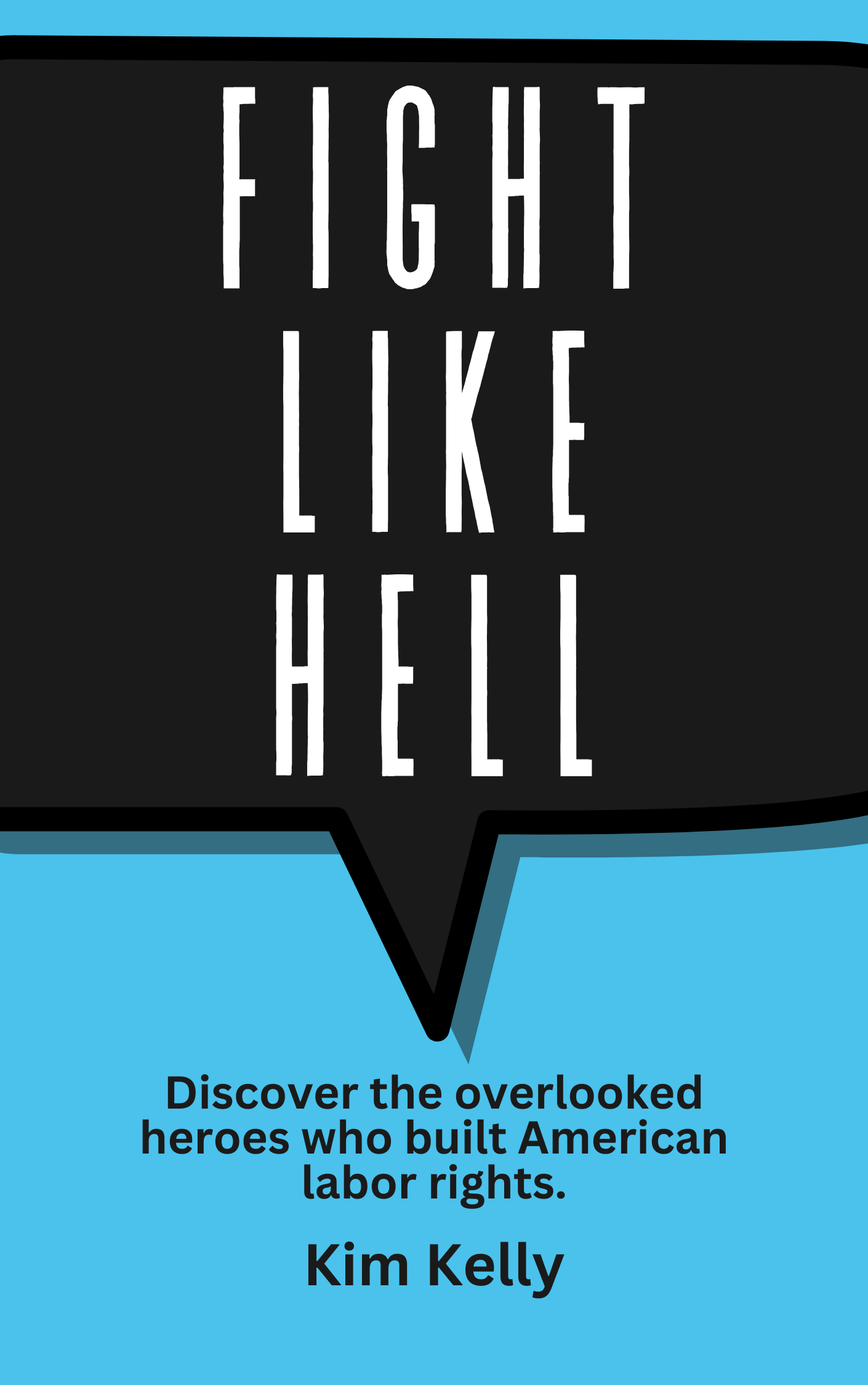
The story of American labor is always told through the lens of major unions, charismatic male leaders, and landmark strikes. But beneath that familiar surface lies a much deeper, more diverse, and grittier history—one built by marginalized workers who rarely made the headlines. Fight Like Hell uncovers these hidden stories, showing that labor rights in America were not handed down by benevolent bosses or neat legislative victories, but carved out by those least expected to have power. Ready to discover the hidden warriors who built your workplace rights?
Summary
The Real Work Is Still Ahead
The history of labor in America is a story of survival, rebellion, and vision. The people who fought like hell weren’t just defending wages. They were demanding to be seen, to be valued, and to shape the future of work on their own terms. That fight isn’t over. It’s happening now and it belongs to everyone who’s ever clocked in, been underpaid, or felt invisible at work. To honor this history is to carry it forward.
The Labor Movement Was Never Just White and Male
When you picture a labor activist, who comes to mind? A burly white guy in overalls? That mental image isn't just incomplete—it's erasing the true heroes of American labor. The backbone of this country's workforce has always been more colorful, more female, and more diverse than the headlines suggest.Consider the Black washerwomen of Atlanta, who in 1881 organized one of the earliest major strikes by domestic workers. With little money and even less political power, they nevertheless formed a union...
Out of Sight, Still in the Fight
Not all labor happens in the open. Much of it unfolds behind closed doors, in places where surveillance is constant and protection is nearly nonexistent. Domestic workers, for example—mostly women of color—have always been a backbone of American households. They care for children, cook meals, and clean homes. Yet they’ve long been excluded from the labor protections granted to factory or office workers. That wasn’t an accident—it was a political decision rooted in racism and sexism, dating back to New...
Disability Is Not a Disqualification
Disabled workers have long been seen as exceptions in the labor force—if they were acknowledged at all. But that perception is not only inaccurate; it’s unjust. Disabled people have always worked. What’s been missing is not their ability but society’s willingness to accommodate and include them.Historically, disabled workers were either forced into sheltered workshops—segregated environments with minimal pay—or denied employment entirely. They were seen as liabilities instead of contributors. But time and again, disabled people challenged those assumptions, both by...
Migrant Hands, American Harvest
Ever enjoyed a strawberry in December? Thank a migrant worker. That juicy fruit didn't magically appear in your grocery store. It was planted, tended, and harvested by hands that likely belong to someone with few rights, little security, and no path to citizenship. The American agricultural system doesn't just rely on migrant labor—it's built on exploiting it.The myth of the rugged American farmer masks a messier truth: for over a century, our fields have depended on workers who are systematically...
Working While Black
For Black workers in America, the job site has never been just a place to earn a living. It’s often been a battleground—one where racism, exploitation, and economic exclusion collide. From slavery to sharecropping, from factory floors to fast food counters, Black labor has always been essential to the American economy and yet persistently undervalued.After emancipation, many Black Americans were funneled into the lowest-paid and most physically demanding jobs. Sharecropping became the new form of bondage, with landowners keeping Black...
New Struggles, Same Fight
If labor history teaches us anything, it’s that the fight never ends—it only changes form. Today’s workplace might look different from the factory floors of the 1900s, but the core issues—power, control, exploitation—are as present as ever. In many ways, the gig economy has brought labor back to its most precarious state. Drivers, delivery workers, and freelancers are treated as independent contractors, technically self-employed but functionally dependent on platforms that set the rules.These jobs promise freedom, but often deliver instability....
More knowledge in less time
The Art of Community
Get the key ideas from nonfiction bestsellers in minutes, not hours.
Find your next read
Get book lists curated by experts and personalized recommendations.
Shortcasts
We’ve teamed up with podcast creators to bring you key insights from podcasts.
About the Author
Kim Kelly, author of Fight Like Hell: The Untold History of American Labor, is a labor journalist, author, and organizer from South Jersey, now based in Philadelphia, known for covering class, disability, and culture, with writing in The Nation, Rolling Stone, The New York Times, and as a columnist for Teen Vogue, bringing her third-generation union family background into her passionate advocacy for workers' rights.
Thank you for registering with Storise.
Your journey with books and ideas begins now, anytime, anywhere.
You can now use your registered email to log in to the app.






















.png)